Where to stay in Athens? A district-by-district hotel guide
Published: Updated: 11 min read
Short answer
For a first trip to Athens, Plaka and Monastiraki offer walking convenience, Syntagma a transport balance, Koukaki a calmer setting near the Acropolis, Kolonaki a refined city center and Pangrati a neighborhood atmosphere. The choice should be made together with the hotel's exact address, airport transport and your travel plan.
Key points
Plaka and Monastiraki are close to the historic center and walking routes.
Syntagma is a balanced city center option with transport connections and short city plans.
Koukaki, Kolonaki and Pangrati suit different pace and neighborhood expectations.
Hotel address, late check-in, cancellation conditions and visa documents should be compared before booking.
Where to stay in Athens? A district-by-district hotel guide
When choosing a hotel in Athens, weigh the differences between the Plaka, Monastiraki, Syntagma, Koukaki, Kolonaki and Pangrati districts together with your transport and visa plans.
Where should you stay in Athens?
When choosing an accommodation district in Athens, the most accurate criterion is not simply closeness to the centre. On a first visit, Plaka and Monastiraki offer ease of walking; Syntagma is a balanced choice with transport links; Koukaki offers a calmer atmosphere around the Acropolis; Kolonaki stands out for its more upscale restaurants and shopping; and Pangrati can be considered by those who enjoy a neighbourhood feel. Airport transfer, the daily route, walking with luggage and the hotel's cancellation conditions should all be checked together.
Plaka: a walking-focused base for first-time visitors
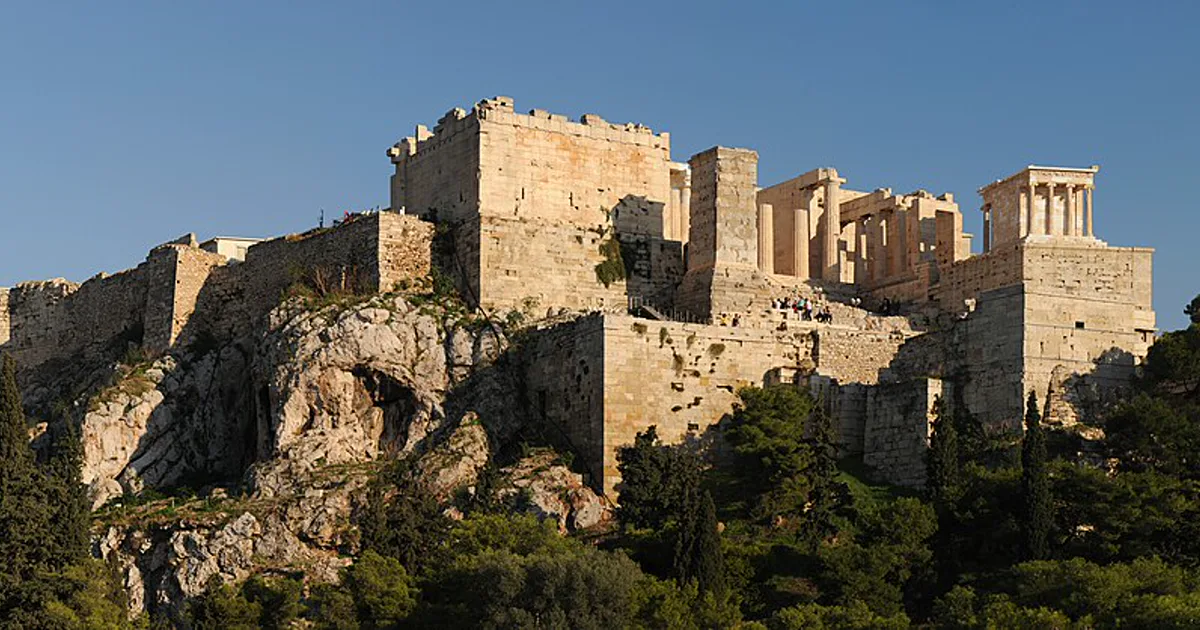
Plaka, at the foot of the Acropolis, is a district with narrow streets and a historic setting that first-time visitors to Athens often consider. For those who want to walk to the ancient sites early in the morning and return to the hotel after dinner without needing public transport, it can be an advantage. In return, some streets have slopes, stone paving and heavy foot traffic. Travellers with large suitcases should ask in advance about the hotel's vehicle access and the last walk to the entrance.
Monastiraki: a central and lively base
Monastiraki can be a practical base for short Athens trips thanks to its metro connection, the area around the market and central walking routes. When staying here, it is important to check the noise from the street where the hotel is located, whether the rooms face the road, and the reception hours. Being central does not always mean quiet. Proximity to the metro makes arriving from the airport easier, but the crowds around the station and the stairs should be factored in when travelling with luggage.
Syntagma: a balanced choice for transport and city planning
The area around Syntagma is a district where those who stay in the city centre and want to reach different parts of the city can find a good base. It can offer ease of planning in terms of the airport connection, the central square and walking routes. On a business trip, a short weekend visit or an early-morning departure, a central location can save time. When choosing a hotel, compare the intensity of the square itself with the quieter addresses one or two streets inside.
Koukaki: close to the Acropolis, with a more local feel
Koukaki may suit those who want to walk to the Acropolis and the museum area but prefer not to stay on the busiest streets of Plaka. Cafes, small restaurants and a sense of neighbourhood life can be more distinct here. However, remember that "close to the Acropolis" does not always describe the real walking time from the hotel's door. Check the distance on the map, the slope, the pavement condition and the return route at night.
Kolonaki: a more upscale atmosphere in the city centre
Kolonaki can be considered by those who want to be close to restaurants, cafes, shops and cultural stops in the city centre. For some visitors, the district gives a more orderly and calm impression of accommodation. On the other hand, budget, slopes and expectations for daily routes can influence the decision. Not only the hotel's price but also room size, breakfast inclusion, the lift, early check-in and late check-out conditions should be compared.
Pangrati and Exarchia: for those seeking neighbourhood atmosphere
Pangrati may attract those who want a more local neighbourhood experience without being cut off from the centre. Exarchia, on the other hand, offers a different profile with its lively culture and nightlife atmosphere; it may not suit every traveller equally. When deciding in these areas, look not just at the district name from a blog list but at the exact address and transport route of the property. For a late arrival, travel with children or if you expect quiet, also consider the room location and noise notes in the hotel reviews.
Plan the transfer from the airport to your hotel from the start
The choice of transport between Athens International Airport and the city centre should be taken into account when you decide on the hotel district. Check the current status of the metro, train, airport buses, official taxis and verified transfer options through the official channels of Athens International Airport and OASA. Arrival time, number of bags, the final walk and the hotel's night check-in rules are all parts of the same plan. For a detailed transport overview, see Orjinaltur's [Athens Airport city centre transport guide](https://orjinaltur.com/blog/atina-havalimani-sehir-merkezi-ulasim-otel-plani).
How do you book a hotel that matches your visa file?
The name, address, check-in and check-out dates and travel plan in the accommodation document you will use for a Greek visa application must be consistent with each other. A hotel booking does not mean visa approval; the decision belongs to the competent authority. Compare the cancellation and change conditions, the address shown on the property's booking document, and the accommodation dates with your application file. If your travel plan changes, you may need to update not only the flight or ferry ticket but also the hotel document.
Pre-booking checklist
Once you have chosen a district, open the hotel's exact address on a map. Check whether the walk to the metro or bus stop can be done with luggage. Read the reception's opening hours, the late check-in procedure, the lift status, breakfast times and cancellation conditions. Ask whether the room faces the street, a courtyard or the main avenue. To avoid mixing up properties with the same or similar names, match the address on your booking document with the official property page.
Short decision summary
For a first trip to Athens and a busy sightseeing plan, Plaka, Monastiraki or Syntagma may be considered; for a calmer pace while staying close to the Acropolis, Koukaki; for a more select setting with restaurants and the city centre, Kolonaki; and for neighbourhood atmosphere, Pangrati. The best district is the one that fits your sightseeing route, your arrival time at the airport, your budget and your tolerance for walking with luggage. When looking at hotel options on Orjinaltur, you can check free cancellation, address, transport and document conditions consistent with your visa file together.
Frequently asked questions
Which district should first-time visitors to Athens choose?
Those who prioritise walking and the historic centre may consider Plaka or Monastiraki; those looking for a transport balance may consider Syntagma. When deciding, check the exact address of the hotel and the night-time transport.
Where is the best place to stay in Athens closest to the Acropolis?
Plaka and Koukaki stand out around the Acropolis. However, walking distance, slope and the hotel's actual entrance location should be checked for each property.
Is a hotel booking enough for a Greek visa?
No. A booking is a document supporting your accommodation plan; on its own it does not provide visa approval. The current official document list and the decision of the competent authority should be the basis.
Which district is easiest to reach the airport from in Athens?
Syntagma and some addresses close to central metro connections can be practical. Current schedules, tickets and night-time transport information should be verified through official channels close to your travel date.
Note: Transport, visa, fees and operating conditions can change. Check the official sources before you travel.
Choosing a district according to your style of travel
Choosing accommodation in Athens is a planning question, and it explains why two people visiting the same city can end up needing different things. For someone who wants to visit the ancient sites in the morning, walking distance to the Acropolis becomes important, while someone who prefers to split the day between museums and restaurants may be more comfortable in Syntagma or Kolonaki. Night life, quiet, travelling with children, an early ferry or a transfer from the airport all directly change the choice of district.
On short trips, choosing a single address in the middle of your main route can save more time than going back and forth to a different area each day. A distance that looks like two kilometres on a map can feel quite different in hot weather, on stone paving or uphill with luggage. So do not treat the phrase "central location" on a booking page as sufficient on its own; open the walking route on a map and check the final stretch from the metro exit to the hotel door.
Compare hotel types and room conditions
When choosing between a hotel, an apartment hotel and small accommodation properties in Athens, comparing only the nightly total can be misleading. Whether breakfast is included, how often the rooms are cleaned, the hours the reception is open, the lift, luggage storage and early check-in conditions all affect the comfort of your trip. Especially in older buildings, room size and lift capacity can vary between properties. Before booking, it is useful to ask which floor the room is on and about access conditions.
Direction of the room also matters for noise. At some addresses close to Monastiraki, Plaka or the main avenues, street activity can increase in the evening. Those who want a quieter sleep may ask for a room facing the courtyard, a higher floor or information about sound insulation. Writing this expectation in the booking note does not guarantee it, but it does make communication with the property clearer. Remember that photos of rooms may show different types, and that the room category you buy should be checked separately.
Airport, port and daily route connections
Athens is not only a route between the airport and the city centre. Some travellers move on to Piraeus Port after their city visit, while others return to the airport. When choosing the address, write down the transport for the first and last day separately. If the first day involves a late arrival or the last day an early departure or heavy luggage, a few minutes less walking may be worth more than one transfer. If you will go to Piraeus, check the hotel's metro or onward connection options against the official transport information.
Organise your daily plan by area. Acropolis, Plaka, Monastiraki and Syntagma can be combined on foot in the same day; a distant museum or a coastal route may require public transport. This approach reduces the need to return to the hotel and set out again every day. Transport times, line works and ticket conditions can change, so when your travel date gets closer, check the official AIA and OASA pages again.
Match the booking document to your visa file
If you will use an accommodation document in your visa file, check your travel dates from start to finish. Name, property address, check-in and check-out dates, number of guests and booking status must be consistent with each other. In a travel plan that includes more than one city or island, clearly separate where the accommodation document for each night is. When you make changes to the file, keep current file names organised so you do not accidentally use an old document.
These documents only support your plan. A hotel booking is not visa approval, a guarantee of entry at the border or travel permission. The current document list and application rules required by the competent authority should be the basis. Even if you choose a booking that can be cancelled, read whether the cancellation and change conditions match your application plan. For variable information such as prices or availability, it is safer to follow the current booking document rather than a screenshot.
When making your final decision, test your travel scenario rather than focusing on the name of the district: arrival from the airport, the first evening meal, the main sightseeing route, possible rain, the departure on the last day and a booking change. If the hotel address still looks practical after these six steps, your choice of district is most likely consistent with your plan. In this way you can make an accommodation decision that suits your own travel rhythm, rather than simply choosing a popular neighbourhood.
Frequently asked questions
Where should first-time visitors to Athens stay?
Those who prioritize walking and the historic center may consider Plaka or Monastiraki, while those looking for transport balance may consider Syntagma. When deciding, check the hotel's exact address and night-time transport options.
Where is the closest place to stay to the Acropolis in Athens?
Plaka and Koukaki stand out around the Acropolis. However, walking distance, the slope and the hotel's actual entrance location should be checked for each property.
Is a hotel booking enough for a Greek visa?
No. A booking is a document that supports your accommodation plan; on its own it does not provide visa approval. The current official document list and the decision of the competent authority should be followed.
Which district in Athens offers easy access to the airport?
Syntagma and some addresses near central metro connections can be practical. Current schedules, tickets and night transport information should be verified through official channels close to your travel date.