Bansko ski resort is located in Bulgaria's Pirin Mountains. The town is at 936 meters, and the highest point accessible by lift is approximately 2,600 meters. The gondola departing from the town is 6.233 meters long and goes up to Banderishka Polyana. The ski area consists of Banderishka Polyana, Shiligarnika, Todorka, Plato, and Chalin Valog regions. The 2026/27 winter season has been announced as December 1, 2026 - April 11, 2027.
Key points
The Bansko gondola is 6.233 meters long, has an elevation gain of 601 meters, and carries 2,000 people per hour; it reaches Banderishka Polyana in about 25 minutes.
The ski area consists of Banderishka Polyana, Shiligarnika, Todorka, Plato, and Chalin Valog regions.
The Todorka six-seater chairlift is 2.415 meters long and has an elevation gain of 700 meters.
The ski resort has announced the 2026/27 winter season from December 1, 2026 - April 11, 2027; the actual opening depends on snow conditions.
Bansko has been selected as Bulgaria's best ski resort for 13 consecutive years as of 2025 by World Ski Awards.
Bansko is a ski resort in Bulgaria's Pirin Mountains, connected to the ski area by a gondola lift that departs from within the town. The town is at 936 meters, and the highest point reached by lift is approximately 2,600 meters. In this guide, we explain how the gondola works, the ski slope areas, where to start according to your skill level, and how to plan your first day.
What kind of place is Bansko ski resort?
Bansko is one of Bulgaria's most renowned ski resorts. As of 2025, it has been named Bulgaria's Best Ski Resort for 13 consecutive times at the World Ski Awards. The ski resort also hosts FIS World Cup competitions; in January 2026, a stage of the FIS Snowboard Alpine World Cup was held here.
What sets the resort apart is that the ski area is connected to the town by a gondola. In the evenings, the old town with its stone streets offers traditional taverns (mehanas), while during the day, there are slopes on the mountain. The ski resort announced its 2026/27 winter season to run from December 1, 2026, to April 11, 2027; the actual opening day of the slopes depends on snow conditions.
How does the Bansko gondola work?
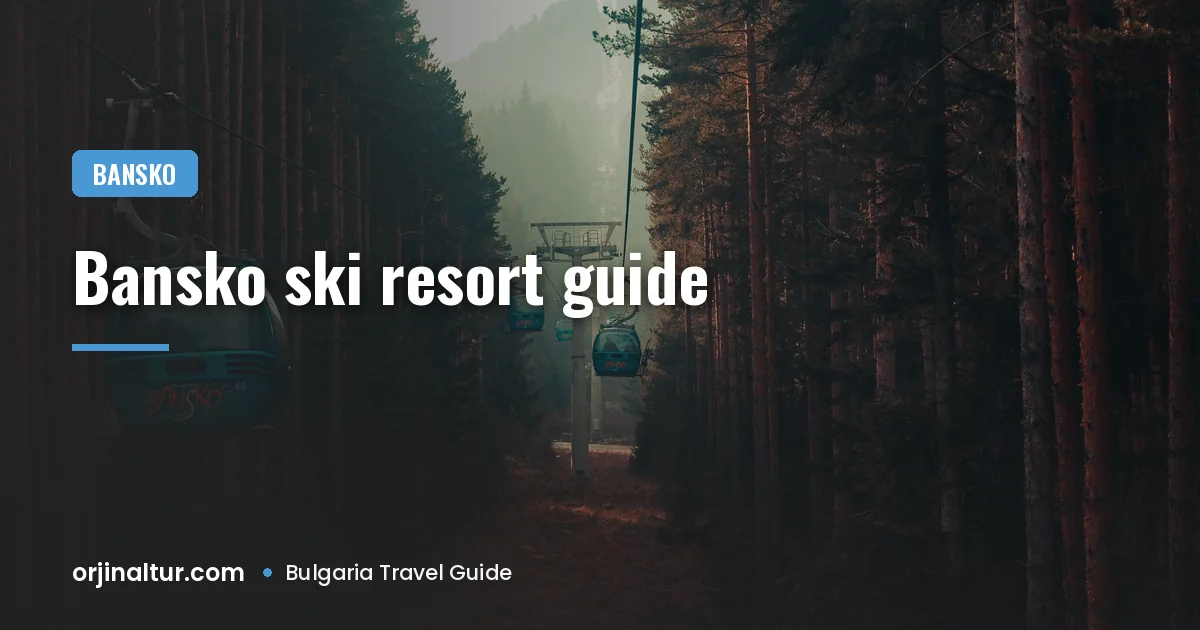
The gondola is the main connection from the town to the ski area. According to official data, the gondola line is 6,233 meters long, ascends 601 meters, and can transport 2,000 people per hour. It departs from the station at the southern end of the town and reaches Banderishka Polyana in approximately 25 minutes.
On busy mornings, the gondola queue can be long. Riding between 8:00-8:30 AM or going up mid-day to ski in the afternoon shortens the time spent in line. At the end of the day, if there's enough snow, you can ski down to the town via one of the two ski roads. At the beginning and end of the season, the ski road might be closed; in this case, the descent is also made by gondola.
Which slope areas are there in Bansko?
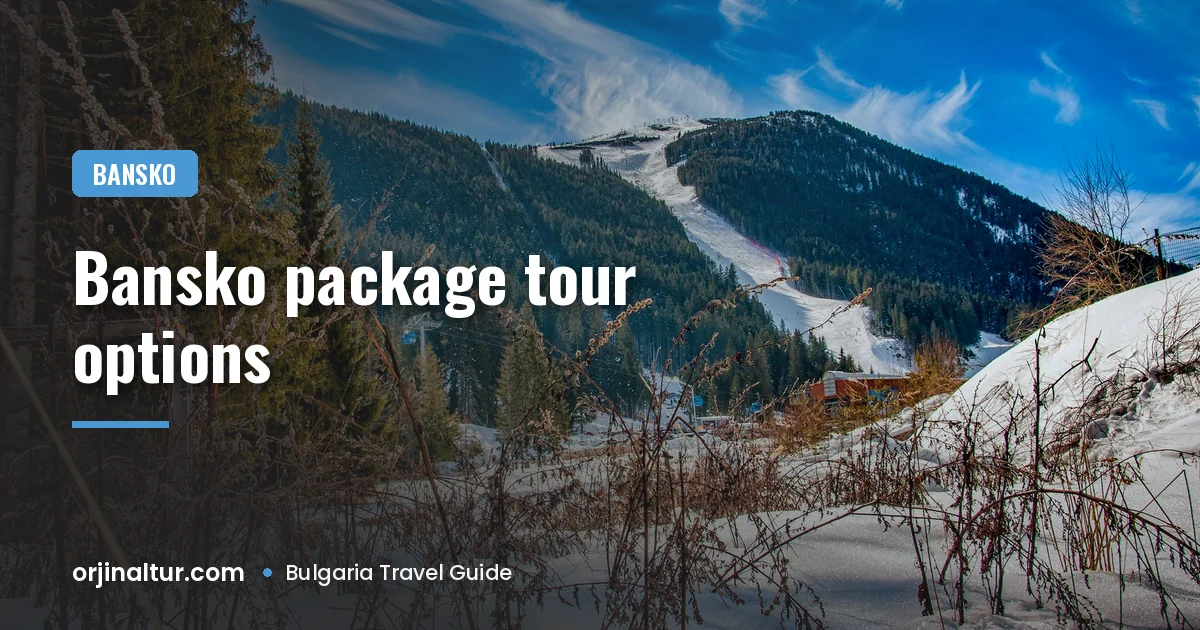
The ski area consists of five interconnected main zones. Banderishka Polyana, where the gondola arrives, is the hub for ski schools and wide slopes suitable for beginners. Above it, Shiligarnika offers long slopes for intermediate skiers. The highest section, the Todorka slopes, hosts long red and steep black runs. The Plato and Chalin Valog areas complete the resort.
The official slope list includes names such as Kolarski, Banderitsa, Plato, Balkaniada, Shiligarnik, Todorka, Stara pista, Ulen, Tomba, Strazhite, Tsarna Mogila, and Chalin Valog, along with two ski roads. Which slopes are open is published daily on the ski resort's official website. For a schematic map of the areas, you can visit our Bansko ski resort page.
Which lifts go to which area?
Following the gondola, the ski area features chairlifts, T-bar lifts, and magic carpets. Kolarski is a six-person chairlift, while Mosta, Banderitsa 1 and 2, Shiligarnik, Chalin Valog, and Plato are four-person chairlifts. The Todorka six-person chairlift is 2,415 meters long and ascends 700 meters, taking you to the highest parts of the ski area.
For beginners, there are Stara kotva and Detska kotva T-bar lifts, small drag lifts, and magic carpets. The Tsarna Mogila double chairlift appears closed on the official list. Since the operational status of lifts can change during the day due to snow and wind, it's essential to check official announcements before heading out in the morning.
Where should you start based on your skill level?
First-time skiers should start on the short and wide slopes around Banderishka Polyana; ski school meeting points and magic carpets are located here. Intermediate skiers can spend their day on the long red slopes of Shiligarnika and Todorka. For advanced skiers, there are steep black runs known as the World Cup course, and off-piste areas when conditions are suitable.
Always go off-piste with a certified guide; avalanche risk and visibility conditions can change rapidly. For snowboarders, wide slopes and a snowpark offer a suitable environment. Instead of struggling on a slope above your current level, gradually progressing throughout the day enhances both enjoyment and safety.
How to plan your first day?
The flow of your first day sets the tone for the rest of your holiday. Doing your boot fitting on the evening of arrival ensures you're ready before the morning gondola queue. Completing your skipass, equipment, and ski school registration a day in advance also allows you to dedicate the morning solely to catching the gondola.
Take the gondola between 8:00-8:30 AM and start with warm-up runs at Banderishka Polyana. Have lunch at mountain restaurants and, as fatigue increases in the afternoon, switch to easier slopes. If the ski road is open at the end of the day, you can ski down to the town; if you're tired on your first day, taking the gondola down is safer.
Checking the weather and snow conditions every morning is also part of the plan. You can find current temperature and forecast information for the town and the peak of the slopes on our Bansko weather page.
How to monitor weather and snow conditions?
In Bansko, there is an altitude difference of approximately 1,600 meters between the town and the peak of the slopes. Therefore, it might rain in town while snowing at the summit, or a mild day in town could be freezing at the peak. Checking the forecast for both the town and the summit before heading out in the morning ensures you dress appropriately.
The ski resort announces open lifts and slopes daily on its official website. On windy days, lifts in the upper area may be temporarily stopped; in this case, it's necessary to ski on lower slopes. Visibility decreases on foggy days, so staying on familiar slopes is safer.
Model predictions for snow depth may differ from the ski resort's official measurements. The ski resort's daily report has the final say on slope conditions. When choosing your travel dates, monitoring snow and weather developments a few days in advance helps keep your expectations realistic.
Where and how to buy a skipass?
Skipasses can be purchased at the ticket offices at the lower gondola station. The ski resort is selling seasonal and annual passes at a promotional rate until December 1, 2026; these passes are available at MAXSPORT stores in Sofia and Bansko, and at the ticket offices at the lower gondola station. During the promotional period, ticket offices are open daily from 8:00 AM to 5:00 PM.
For a short holiday, a daily or multi-day skipass is sufficient. Since Bulgaria has been using the euro since January 1, 2026, prices are set in euros. For current tariffs, you can visit our Bansko skipass prices page.
Planning the next day at the end of your first day is also helpful. Note which slopes suit you, where queues formed, and where you took your lunch break. These observations will guide you to move to longer slopes from the second day onwards. If you're attending ski school, ask your instructor which slopes you can progress to; comfortably skiing the same slope a few times before moving up a level on your own is a good benchmark. Ending the day early when fatigue increases allows you to ski more efficiently the next day.
What to know beyond the slopes
What to wear for skiing in Bansko?
In the Pirin Mountains, the weather can change rapidly throughout the day; a sunny morning in town can turn into a windy and cold afternoon at the summit. Layering your clothing is the best way to adapt to these changes: a moisture-wicking base layer, a warm mid-layer, and a waterproof outer jacket and pants.
A helmet, ski goggles, gloves, and a neck warmer are essential equipment. Helmets and goggles can also be rented from shops in town. On sunny days, the light reflected by the snow is strong; sunscreen and lip balm should not be forgotten. Spare gloves and socks can save the day if yours get wet.
Which rules should be observed on the slopes?
In Bansko, as in other ski resorts, FIS rules of conduct on the slopes apply. The skier in front of you has priority; you must leave sufficient distance when passing them. It's important not to stop in the middle of the slope, especially on turns where visibility is limited.
Choose slopes appropriate for your skill level and obey the signs. Do not enter closed slopes; the reason for closure could be lack of snow, avalanche risk, or slope maintenance. If you're skiing with children, determine a meeting point in advance and ensure your phones are charged. In case of an accident, notifying the slope safety teams is the first step.
What can non-skiers do on the mountain?
For non-skiers, going up the mountain also has its appeal. Taking a gondola ticket to Banderishka Polyana is the easiest way to see the snowy Pirin scenery. Mountain restaurants and cafes are suitable for meeting your skiing friends for lunch.
In town, you can explore old stone-housed streets, churches, and museums. In the evenings, mehanas offer local dishes and live music. If non-skiers wish to hike on the mountain, it's essential not to enter the slopes and to use only marked hiking trails.
If you wish to plan your Bansko ski holiday including hotel, transportation, and skipass, you can contact us via our Bansko tours page for current prices and availability.
Cover photo: Ilias Saltidis / Pexels
Frequently asked questions
Is Bansko ski resort suitable for beginners?
Yes. Around Banderishka Polyana, where the gondola arrives, there are wide and easy slopes, ski school meeting points, and magic carpets for beginners. The first few days are spent in this area. Taking group or private lessons from the ski school speeds up progress and ensures a safe start; booking lessons before your trip makes it easier to find a spot during peak weeks.
How long does the Bansko gondola take?
The Bansko gondola takes you from the station at the southern end of the town to Banderishka Polyana in about 25 minutes. According to official data, the line is 6.233 meters long, has an elevation gain of 601 meters, and can carry 2,000 people per hour. To save time, it's advisable to ride between 8:00-8:30 AM or go mid-day, as queues can form on busy mornings.
Can you ski down to the town in Bansko?
Yes, when there is enough snow, it is possible to ski down to the town at the end of the day via two ski runs. At the beginning and end of the season, when snow cover is low, the ski run may be closed; in such cases, the descent is made by gondola. Whether the ski run is open is announced daily by the ski resort.
When does the Bansko ski season start?
The ski resort has announced the 2026/27 winter season to be between December 1, 2026, and April 11, 2027. The actual opening date of the slopes depends on snow and weather conditions. The previous season opened on December 13, 2025. For current opening information, follow the official announcements of the ski resort.
Which slopes are available for advanced levels in Bansko?
For advanced skiers, the long and steep slopes on the Todorka mountainsides and the sections known as the race courses are prominent. Bansko hosts FIS World Cup races. There are also off-piste areas when snow conditions are suitable, but it is essential to go off-piste with an authorized guide.